Grease Buildup Prevention: The Real Fire Safety Habit Every Commercial Kitchen Needs
I have spent more hours than I care to count standing under a restaurant's exhaust hood, scraping off layers of hardened grease that should never have been allowed to accumulate. In my early years as a kitchen exhaust specialist, I learned a hard lesson: grease buildup is not just a cleaning problem. It is a fire safety problem, and it is almost always a predictable one. The kitchens that stay safe are not the ones that panic when the fire inspector shows up. They are the ones that treat grease buildup prevention as a daily discipline, not a quarterly event.
Working with commercial kitchens across dozens of cities, I have seen the same pattern repeat. A busy restaurant invests in a top-tier fire suppression system and a high-quality grease hood, but then neglects the exhaust fan and ductwork for months. By the time a cleaning company arrives, the interior of the duct is caked with a layer of grease thick enough to sustain a flame. NFPA 96, the standard that governs commercial kitchen ventilation, is very clear on this point: the entire system must be maintained to what is called the bare metal standard. That means every surface inside the hood, duct, and fan must be cleaned down to the bare metal at intervals determined by the volume and type of cooking. I have seen what happens when that standard is ignored, and it is never pretty.
Why Grease Is Not Just a Mess
Grease buildup in a kitchen exhaust system is fundamentally different from the grease you scrub off a stovetop at home. In a commercial kitchen, the exhaust system draws smoke, steam, and airborne grease particles through the hood filter, past the grease trap, and into the ductwork. Over time, those particles cool and stick to the interior walls of the ducts, the exhaust fan blades, and the fire suppression system components. The result is a layer of highly flammable residue that sits directly in the path of heat, sparks, and open flame.
I once consulted for a diner that had been running the same exhaust fan for seven years without a deep clean. The fan blades were so coated in grease that they had become unbalanced, causing the motor to work harder and run hotter. The heat from the motor alone was enough to ignite some of that residue. They were lucky that the fire suppression system activated before anyone was hurt, but the damage to the ductwork was extensive and the restaurant was shut down for two weeks. That closure cost them more than any cleaning service ever would have. That is the reality of grease buildup prevention: it is not an expense, it is an investment in staying open.
The Bare Metal Standard and Why It Matters
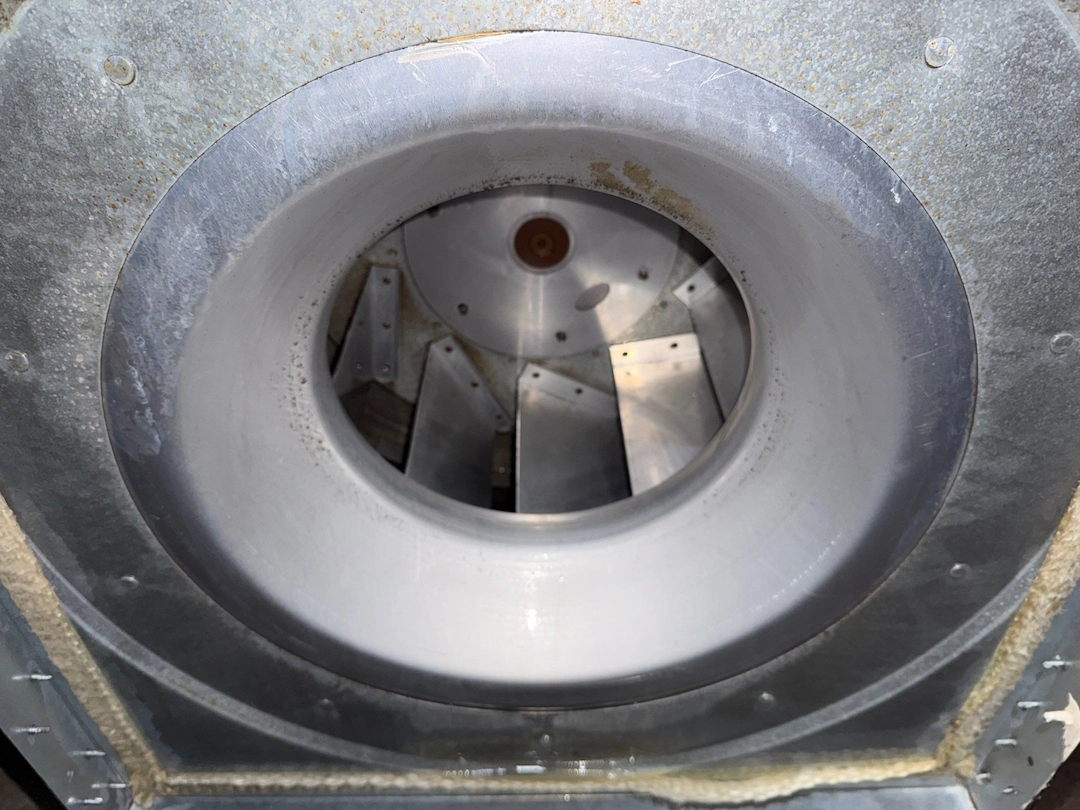
NFPA 96 does not just recommend cleaning the hood surface and the filters. It requires that all interior surfaces of the grease hood, ductwork, and exhaust fan be cleaned to the bare metal. That means no visible residue, no slick film, no hardened crust. The standard exists because even a thin layer of grease can fuel a fire if the conditions are right. In my experience, kitchens that adhere to the bare metal standard not only pass fire code inspections more consistently, they also see fewer operational disruptions. Their exhaust systems run more efficiently, their fire suppression systems are less likely to malfunction, and their insurance premiums tend to be lower.
One of the most common mistakes I see is operators believing that a clean hood filter is enough. A filter catches some grease, but it does not stop the grease that passes through it from accumulating in the ductwork and fan. I have pulled filters that looked nearly new only to find the duct behind them lined with heavy residue. That is why a professional hood cleaning must include the full system, from the hood interior through the ductwork to the exhaust fan. A reputable cleaning company will document the condition before and after, showing that the bare metal standard has been met. That documentation is gold during a fire inspection.
Building a Realistic Cleaning Schedule
The frequency of cleaning required by NFPA 96 depends on the volume of cooking. A fast-food restaurant cooking large amounts of oil-rich food might need monthly cleanings. A fine-dining kitchen with lighter cooking might be on a quarterly schedule. But the standard also places responsibility on the operator to inspect the system regularly and adjust the schedule if grease buildup becomes visible sooner than expected.
I have worked with kitchens that tried to save money by stretching their cleaning intervals too far. They ended up paying more in emergency cleanings, repair calls, and lost revenue during shutdowns than they would have paid for routine service. A smart approach is to work with a cleaning company that understands your specific cooking load and helps you set a schedule that fits. The goal is not to clean more than necessary, but to clean often enough that grease never builds up to a dangerous level. That is the essence of grease buildup prevention: staying ahead of the accumulation curve.
Daily Habits That Make a Difference
While professional hood cleaning is essential, the daily habits of the kitchen staff matter just as much. I have seen kitchens where the crew wipes down the hood surface and checks the grease trap every evening, and those kitchens consistently have less buildup between professional cleanings. Here are a few practical steps that any commercial kitchen can implement:

- Wipe the grease hood exterior and interior surfaces daily with a degreasing agent approved for use on kitchen equipment.
- Inspect and clean the hood filter every day. Replace worn or damaged filters promptly.
- Empty the grease trap regularly according to the manufacturer's recommendation, and document each emptying.
- Listen to the exhaust fan. A change in sound often indicates a buildup that is affecting performance.
- Keep a log of cleaning activities and observations. This log is useful for fire code compliance and for spotting trends early.
These habits do not replace professional cleaning, but they extend the time between service visits and reduce the risk of a fire starting from a grease ignition. I have seen kitchens that adopted these practices reduce their annual cleaning costs by as much as twenty percent because the professionals spent less time on heavy scraping and more time on verification.
The Role of the Fire Suppression System
A properly maintained fire suppression system is the last line of defense against a grease fire. But I have seen many systems that were rendered ineffective because grease buildup blocked the nozzles or covered the detection components. NFPA 96 requires that the fire suppression system be inspected and tested by a qualified technician every six months, and that the hood and ductwork be cleaned before that inspection if any grease buildup is present. A system that is covered in grease cannot respond properly, and that is a risk no kitchen should take.
I once worked with a pizzeria that had a beautiful fire suppression system, top of the line. But when the inspector came, they found that the ductwork had not been cleaned in over a year. The grease layer was so thick that the heat from a small fire would have been trapped inside the duct before the suppression system could activate. The restaurant was cited and required to complete a full system cleaning and recertification before reopening. That situation was entirely avoidable with a consistent cleaning schedule and basic grease buildup prevention practices.
Partnering with the Right Cleaning Company
Not all cleaning companies are created equal. Some will do a surface wipe and call it a day. Others will take the time to document every section of the system and verify that the bare metal standard is achieved. When you are looking for a cleaning company, ask about their process. Do they clean the exhaust fan blades? Do they access the full length of the ductwork? Do they provide a report that shows compliance with NFPA 96? A good company will be happy to answer those questions because they know their work stands up to scrutiny.

I have seen kitchens switch to a new cleaning company and discover that their previous provider had been missing entire sections of the ductwork. That is not just a waste of money, it is a safety gap. Take the time to find a company that treats grease buildup prevention as seriously as you do. It will save you headaches during inspections and give you peace of mind every day you are open.
In the end, the kitchens that thrive are the ones that treat fire safety as an everyday practice, not a once-a-year scramble. They understand that grease is not just a cleaning nuisance, it is a fire hazard that demands respect. With a solid cleaning schedule, daily habits that support cleanliness, and a trustworthy partner who knows the bare metal standard, any commercial kitchen can reduce its risk and operate with confidence.